Getting the family together to make a film is a creative and fun project that could see you through the whole summer. It could be as simple as you like, as long or short as you want, and be either a documentary or pure fiction with characters. If you’d like to give it a go, here’s a brief overview of some of the steps involved.
What Equipment You’ll Need
You probably don’t need as much as you’d think to get started on making a family film. Top of the list are:
- Paper and pens/pencils.
- A camera. Your smartphone is fine.
- Editing software.
All you need can be sourced freely online, even software for editing. Beyond that, you need no more than a sense of adventure and willingness to give full reign to the imagination – something kids have by the bucketload. If you find it fires up their enthusiasm for filmmaking and want to dive a bit deeper, you’ll find there are online film classes for young people run by The London Film School.

Brainstorm Your Story or Film Ideas
Write down all the ideas for the story so you can come up with a storyline. Give everyone an equal say in what the film might be about and who will play which part.
Include all the ideas everyone has. There are no bad ones at this stage, so encourage everyone to let their imaginations loose. Kids are full of ideas all the time, so stand by with a pen to capture them.
You can also talk about who’ll do the other jobs, such as filming, scripting, building sets or final editing.
It can make for some lively conversations around the dinner table.
Draw Your Scenes on a Storyboard
If you haven’t heard of a storyboard, it’s a place to graphically represent the story. An easy way to make one is to have a sheet of copier paper for each scene. You can also download free storyboard templates to print at home.
Aim for a quick sketch of the main action in each scene. Stick characters are fine, you just want to see at a quick glance what’s next on the shooting list.
Creating a storyboard can also help with planning to make sure you don’t have an impossible sequence, such as putting the hero in hospital with a broken leg, then chasing the villain down the street in the next shot.
Find Your Locations
Having got some idea of the story and action in your family film, it’s time to decide where to shoot.
Maybe all you need is your garden and rooms in the house, or perhaps you want to go further afield, maybe a day trip to the coast, the local park, into town or the country… there’s an endless supply of good locations and no reason why you shouldn’t combine some filming with a family day out.
Decide on Costumes
When you’re making a family film, every detail counts so figure out how you’ll dress each member of the cast. If you need special costumes, for monsters or superheroes or historical characters for instance, could you sew them? If not, think about hiring them from a fancy-dress shop.
Alternatively, plan a film where everyday clothes do the job.
Write a Script
You might not want to script every line but having some idea of what to say and how characters should react to each other helps everyone know what they’re doing. Do as much or as little scripting as you need to. It could be as loose as a few speech bubbles on your storyboard.
Older kids might enjoy learning more about scripting if they find this experience fun. A short course Writer’s Workout guided by an experienced screenwriter might be just the introduction to screenwriting they need.
Shoot The Action
Try and shoot each scene a few times so you can choose the best ones when it’s time to stitch them together into a movie.
Have rehearsals and film those too. Sometimes performance anxiety is greater when it’s a ‘real take’, so the more natural acting will happen when it’s just a practise. Also, it’s fun to look back and find the bloopers. Even professional actors make mistakes.
Use natural light if you can, but don’t be scared to experiment with light to create different moods.
If you need indoor light, your phone’s torch can help to brighten up faces, especially if you have light from a window behind your actor.
One note, you don’t have to shoot your scenes in order. You can sort the order out later.
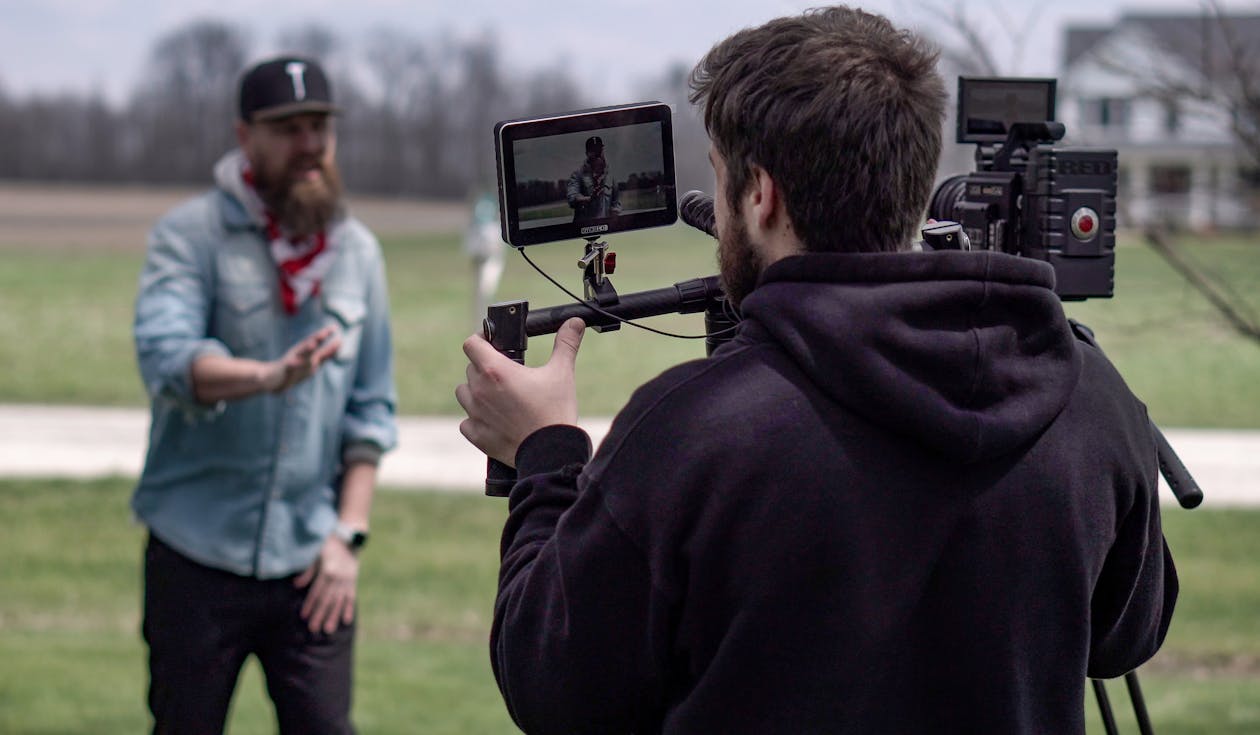
Edit Your Film
Once you’ve shot all the scenes, you need to join them together in the right order, so they’ll play seamlessly.
While film editing software can get complicated and expensive, there’s lots of choice that’s free. Look for software that’s aimed at beginners, so you don’t get overwhelmed at the final fence.
Computers often have video editing software pre-installed such as iMovie on Mac, or on Windows look for their recommended video editing programmes. There are also a host of editing apps for mobile devices if that’s your preference.
Don’t forget to add in extras, such as music or sound effects.
And that’s about it. Lots of steps, sure, but also lots of fun, and a great project that all the family can get involved with.
*Collaborative post
Leave a Reply