

Choosing the Perfect First Pet for Your Child – As a parent, one of the most exciting moments is when your child expresses a desire to have a pet. It’s a big responsibility, but also an opportunity for your child to learn about compassion, care, and responsibility. However, with so many options available, it can be overwhelming to decide on the perfect first pet for your child. In this article, we will explore the characteristics and care tips for two popular choices: guinea pigs and goldfish.
We will also discuss other popular first pets for children and provide guidance on teaching responsibility through pet ownership, ensuring pet safety, and finding the perfect pet through adoption or buying. So let’s dive in and find the perfect pet for your child!
Factors to consider when choosing a pet for your child
Before making a decision, it’s important to consider several factors that will help you determine the most suitable pet for your child. Firstly, consider your child’s age. Younger children may benefit from pets that require less maintenance and are sturdier, while older children may be ready for more responsibility. Secondly, consider the space available in your home. Some pets require large enclosures, while others can thrive in smaller habitats.
Lastly, think about any allergies your child may have. Certain animals, such as cats or dogs, may trigger allergies, so it’s important to choose a pet that won’t cause any health issues. By considering these factors, you can narrow down your options and make an informed decision.


Guinea pigs as first pets – characteristics and care tips
Guinea pigs are popular first pets for children due to their small size, gentle nature, and relatively easy care requirements. These sociable creatures thrive on interaction and can provide your child with a wonderful pet-owning experience. Guinea pigs require a spacious cage with plenty of room to exercise, as well as a balanced diet of fresh vegetables, hay, and pellets. It’s essential to provide them with mental stimulation through toys and tunnels.
Regular grooming is also necessary to keep their coat healthy and clean. Additionally, guinea pigs are social animals and should ideally be kept in pairs or small groups to prevent loneliness. By providing proper care and attention, your child can enjoy a rewarding and loving relationship with their guinea pig.
Goldfish as first pets – characteristics and care tips
Goldfish are another popular choice as a first pet for children. These beautiful aquatic creatures are known for their vibrant colours and calming presence. Goldfish require a well-maintained aquarium with appropriate filtration and regular water changes. It’s crucial to provide them with a suitable diet of high-quality fish food and avoid overfeeding, as it can lead to health issues. Goldfish also benefit from a variety of tank decorations and plants to create a stimulating environment.
Proper temperature regulation is essential for their well-being. Goldfish have a long lifespan, so it’s important to consider the commitment involved in caring for them. With the right care and attention, your child can learn about aquatic ecosystems and have a visually stunning pet to enjoy.


Other popular first pets for children
While guinea pigs and goldfish are popular choices, there are other options to consider when choosing a first pet for your child. Hamsters are small, low-maintenance pets that can be easily handled and provide entertainment with their playful nature. Rabbits are also gentle companions that can be litter-trained and enjoy human interaction. Turtles, although requiring specialized care, can provide a unique and educational pet experience. Birds, such as budgies or cockatiels, are intelligent and sociable pets that can be trained to perform tricks. Ultimately, the choice of pet depends on your child’s interests and your family’s lifestyle. Researching each pet’s characteristics and care requirements will help you make an informed decision.
Teaching responsibility through pet ownership
One of the greatest benefits of owning a pet is the opportunity to teach your child about responsibility. By involving your child in pet care tasks, such as feeding, grooming, and cleaning, they will learn valuable life skills. Assign age-appropriate tasks and guide them through the process initially. Over time, your child will gain confidence and develop a sense of empathy towards animals. Encourage open communication about their experiences and guide them in problem-solving if any challenges arise. By instilling a sense of responsibility early on, your child will grow into a caring and compassionate individual.
Pet safety and child supervision
When bringing a pet into your home, it’s crucial to prioritize pet safety and provide proper child supervision. Teach your child to approach animals gently and respect their boundaries. Show them how to recognize signs of fear or discomfort in pets and how to respond appropriately. Always supervise interactions between young children and pets to prevent any accidents. Teach your child the importance of washing their hands after handling pets to prevent the spread of germs. By establishing clear guidelines and boundaries, you can ensure a safe environment for both your child and their pet.
Finding the perfect pet for your child – adoption vs. buying
When it comes to finding the perfect pet for your child, you have two main options: adoption or buying from a reputable breeder. Adoption is a wonderful way to give a deserving animal a second chance at life while teaching your child about compassion and empathy. Visit local animal shelters or rescue organizations to find a pet that matches your family’s lifestyle and preferences.
If you decide to buy from a breeder, ensure they have a good reputation and prioritize the health and well-being of their animals. Research the specific breed or species you are interested in and ask the breeder questions about their breeding practices. Regardless of your choice, make sure to provide a loving and caring home for your new pet.
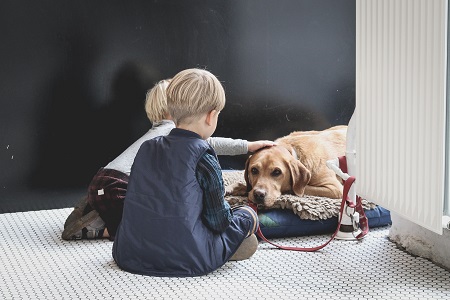

Preparing your home for a new pet
Before bringing a new pet into your home, it’s essential to prepare the environment to ensure their safety and well-being. Set up a designated space for your pet, whether it’s a cage, aquarium, or enclosure. Remove any hazards or toxic substances from the area. Pet-proof your home by securing loose wires, closing off areas where your pet could get stuck, and removing any poisonous plants. Stock up on necessary supplies, such as food, water bowls, toys, and bedding.
Create a routine for feeding, exercise, and grooming to establish a sense of stability for your new pet. By preparing your home in advance, you can provide a smooth transition for both your child and their new furry or finned friend.
Choosing the perfect first pet for your child requires careful consideration of various factors, such as age, space availability, and allergies. Guinea pigs and goldfish are excellent options, each with their own unique characteristics and care requirements. However, there are other popular choices like hamsters, rabbits, turtles, and birds, which may better suit your family’s lifestyle. Through pet ownership, your child can learn about responsibility, empathy, and compassion.
Remember to prioritize pet safety and supervise interactions between your child and their pet. Whether you choose to adopt or buy, provide a loving and caring home for your new pet. By preparing your home and setting clear guidelines, you can ensure a positive experience for your child and their first pet. So, take the plunge and embark on this wonderful journey of pet ownership with your child!